

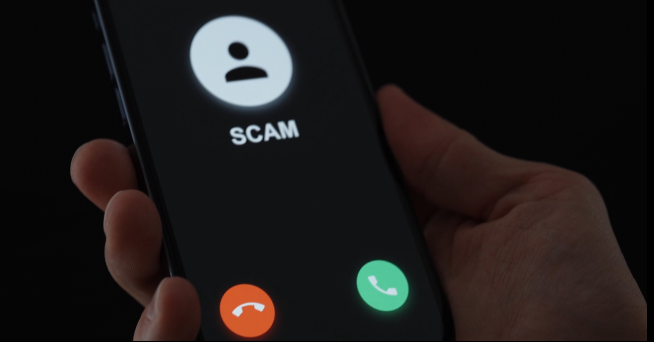


(LEX NEWS) — Phone and text scams cost Kentuckians nearly $6.5 million in 2025, and more than 300 million robocalls have been placed in Kentucky this year, according to Attorney General Russell Coleman's office.
The office received nearly 1,200 complaints about these calls in 2025 — but that number is likely much higher, because only 1 in 44 people actually report a scam.
Shellie May, executive director of the Office of Senior Protection and Mediation for the Kentucky Attorney General's Office, said technology is making it increasingly difficult to verify who is actually calling.
Stricter regulations are what Coleman has been continuously fighting for to help Americans, and Kentuckians, not have their phone overloaded with scammers.
“Robocalls aren’t just annoying—they disrupt our daily lives, invade our privacy, and can put our most vulnerable people at risk of scams and fraud,” said Attorney General Coleman. “We’re taking additional steps to protect Kentuckians and make sure they can answer the phone without fear of being deceived.”
"With technology now, it's becoming virtually impossible for us to determine if who's on that caller ID is actually who's on the caller ID," May said.
Caller ID spoofing is among the most common tactics scammers use, May said, and it has even been used to impersonate law enforcement. May says police will not call your phone or text you regarding arrests or warrants.
Scammers use that deception to create panic, May said.
"Individuals will think that that's somebody calling to tell them that there's a family emergency, there's something going on; they're unsuspecting that it's going to be, we're going to come arrest you," May said.
May recalled one case in which a woman was scammed out of her entire life savings — $128,000 — simply because she answered the phone.
"It's heart-wrenching to hear those stories, but they are, they look legit, and, um, you know, unfortunately that's, that's what we're seeing," May said.
Scammers are also using artificial intelligence to clone voices, May said.
"AI now only takes less than 5 seconds of a recorded voice to duplicate your voice," May said.
The growing threat is one reason Coleman and 49 other attorneys general across the country are pushing the FCC for mandatory requirements, including strengthening STIR/SHAKEN protections, to help combat the calls.
May said the best ways to protect yourself from scams are to not answer calls from unknown numbers, check the caller ID, use an automated voicemail system instead of your own voice, and spread the word to help others stay safe.
In a press release from their office, they state, "Attorney General Coleman is part of the Anti-Robocall Multistate Litigation Task Force, which launched Operation Robocall Roundup in 2025. Following their action, the Federal Communications Commission recently issued an order to six companies, ordering them to fix their robocall protection issues or risk losing the ability to route any calls across the U.S. telephone network."
Coleman is asking the FCC to better protect consumers. In their press release, they listed the following:
Mandate five categories of baseline Know Your Upstream Provider measures. The attorneys general are asking the FCC to demand that voice service providers collect more detailed—and verified—information from their upstream provider customers and refuse or end service to upstream providers that aren’t following the law.
Require additional triggers for Know Your Upstream Provider monitoring. The attorneys general argue that the FCC should require upstream provider monitoring more regularly to help prevent bad actors from operating unchecked.
Strengthen STIR/SHAKEN protections. STIR/SHAKEN is a framework to ensure that a caller is placing calls from phone numbers that are not being spoofed. The attorneys general want these rules more strictly enforced.
Implement new rules quickly, establish enforcement penalties, and require retention of KYUP data. The attorneys general ask that any rules to help cut down on illegal robocalls should be implemented as soon as possible. They also support base penalties for providers that don’t meet upstream provider monitoring requirements or violate STIR/SHAKEN.
