



HARRISON COUNTY, Ky. (LEX News) — A low-dose CT scan can be the first step in finding lung cancer, detecting small nodules in the lungs before a patient ever experiences symptoms.
"The goal is to find the nodules even before they have the symptoms. That's the best possible way," Dr. Srinadh Annangi, a consultant pulmonologist at Harrison Memorial Hospital, said.
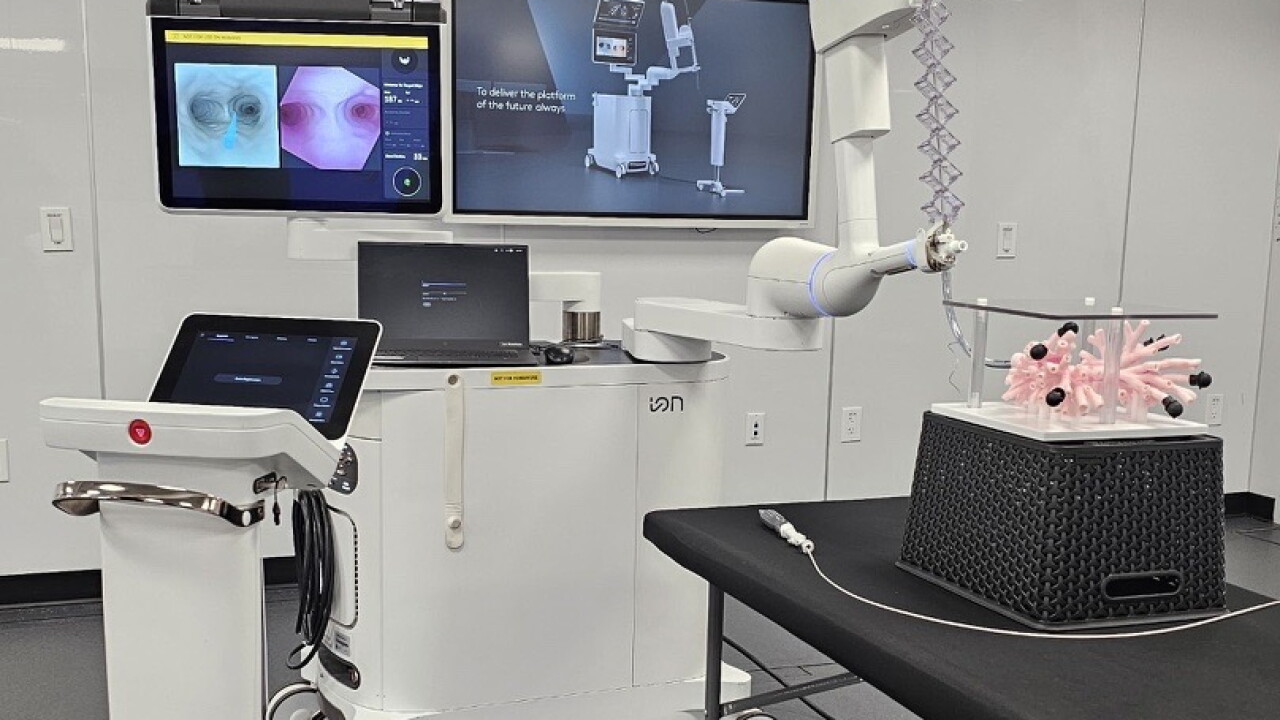
When a nodule appears suspicious, doctors may recommend a biopsy to determine whether it is cancerous. But some nodules are located deep in the lungs, making them harder to reach and that's where Harrison Memorial Hospital's new robotic bronchoscopy comes in.
Alex Caldwell, executive director of state strategy and clinic operations, said the technology reflects the hospital's longstanding commitment to offering a wide range of services.
"I think it's very unique, but it's something that HMH has always prided itself in doing which is having very expansive scope of operations and specialties," Caldwell said.
What makes the technology especially significant is how rare it is to find in a rural community.
"We're very progressive in that way and we want that for our patients and our community. And I do believe it's a unique opportunity for us and for the communities that we serve," Caldwell said.
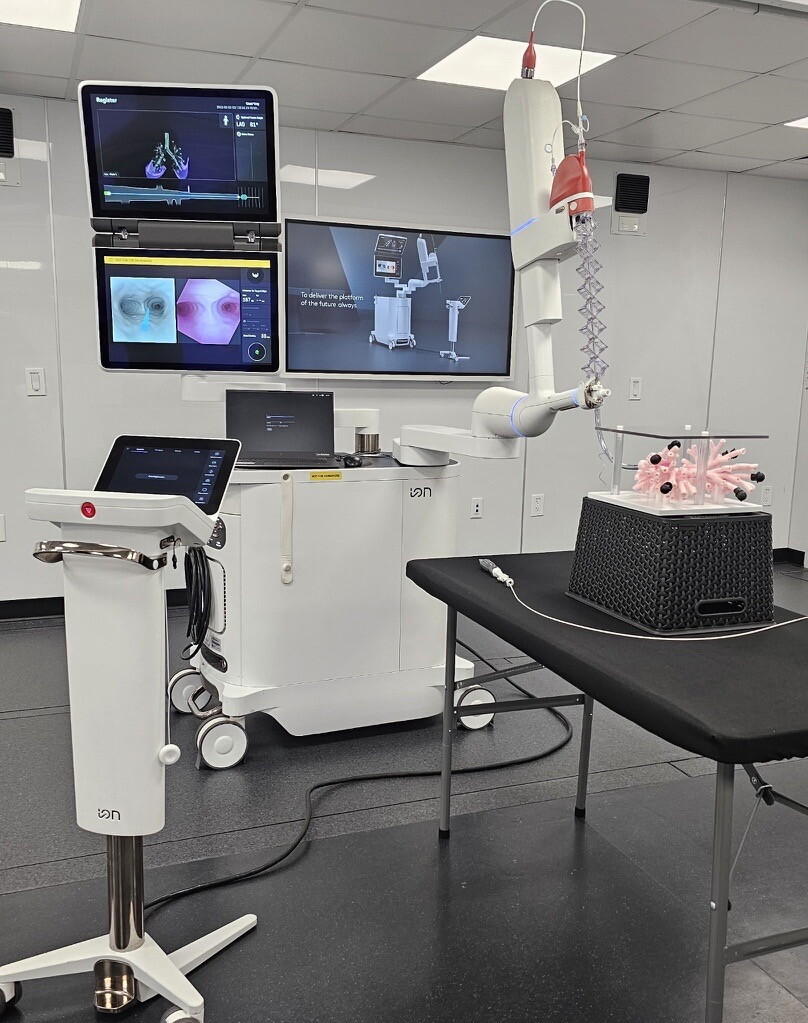
Doctors describe the robot as functioning almost like a GPS, helping guide a tiny tube through the lungs and directly to a hard-to-reach nodule. That allows the doctor to collect a tissue sample and potentially deliver answers sooner.
"The robotic bronchoscopy is a combination with the navigation, where the robotic system will help us navigate accurately to the location of the smaller nodules in the periphery of the lung," Annangi said.
The procedure is performed under general anesthesia, and patients can typically go home the same day.
When it comes to lung cancer, Annangi said timing is everything.
"The earlier the better, the higher survival rate," Annangi said.
Molly Demrow is committed to covering the stories that matter to you. If you have an idea, please reach out to Molly at molly.demrow@wlex.tv.
 Facebook
  TikTok
  YouTube
 Instagram
 Threads
 X
X