



LEXINGTON, Ky. (LEX 18) — Ice remains a serious safety risk across the region despite above-freezing temperatures earlier today, with University of Kentucky Hospital's emergency department reporting a significant spike in fall-related injuries.
Since snow began falling on January 24, UK Hospital has treated 272 people for falls, a 13% increase from normal levels, according to Dr. Patrick Grace of the hospital's emergency department.
"That type of slip and fall, when you are in advanced age can be the difference between you breaking your hip and potentially starting down a path where people die from slips and falls too. So these are serious injuries," Grace said.
The danger persists because ice melts during warmer daytime temperatures and refreezes overnight, creating treacherous conditions for pedestrians and drivers alike.
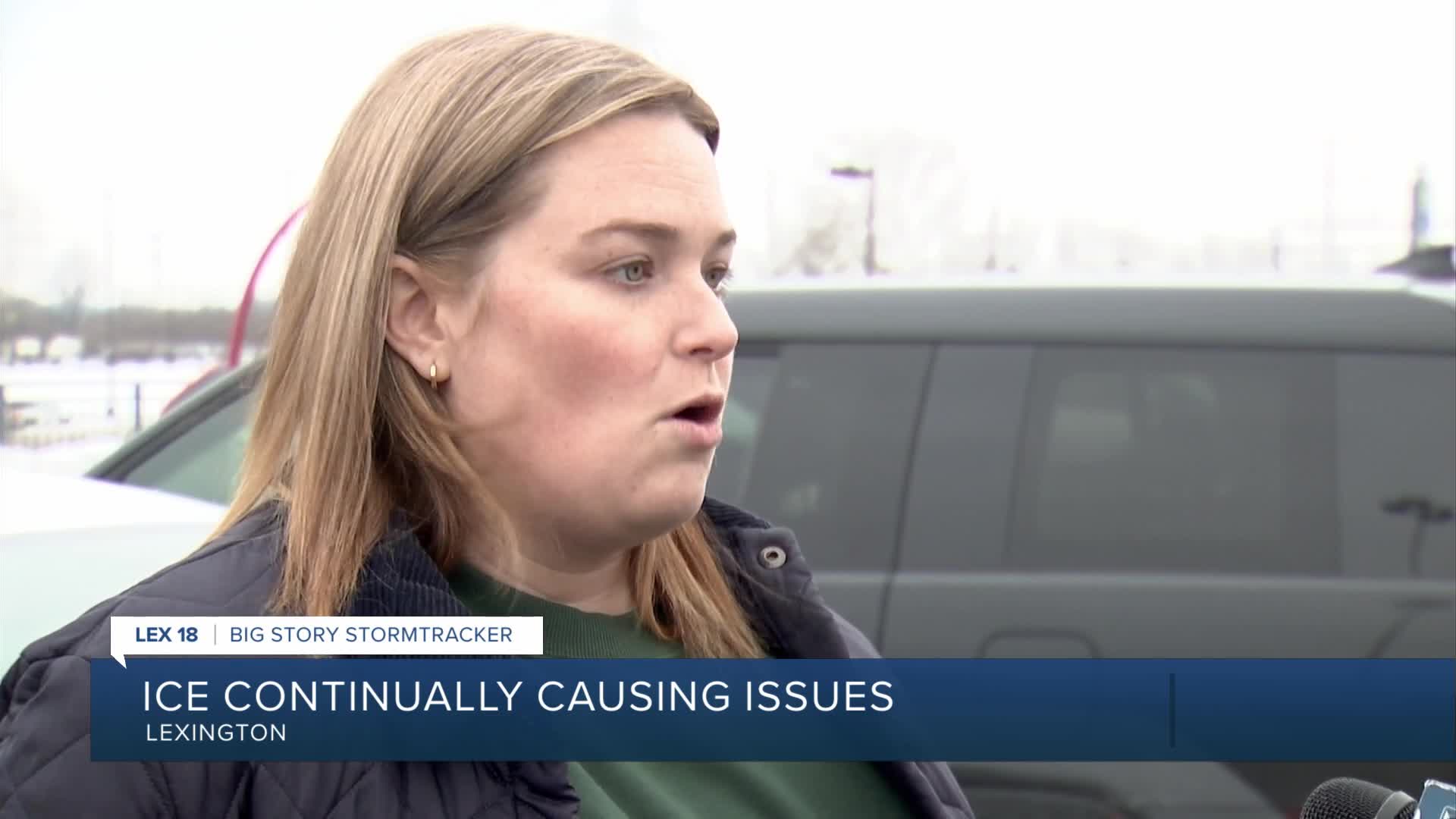
Elizabeth Williams learned this lesson the hard way, breaking two bones in her elbow while walking to her car after work.
"I was in UK hospital for 13 hours on Wednesday night to Thursday, and there was multiple falls, multiple wrecks, people going to regular speed thinking that it would be fine," Williams said.
Williams now advocates simple safety precautions to prevent similar accidents.
"Always make sure your hands are available to catch yourself. Always be prepared for that slip or fall, be prepared to catch yourself. I wasn't, and that's why my fall was as bad as it was," Williams said.
Dr. Grace emphasizes the importance of keeping hands free and leaning forward while walking to avoid falling backward. He also warns drivers about ice falling from other vehicles.
"We're not talking about the force that splinters someone's windshield. We're talking about straight through and through as if the windshield was barely even there," Grace said. "That can be a life-threatening injury."
Williams has adopted new safety habits following her accident, including keeping her phone within easy reach for emergencies and maintaining proper walking posture.
"Making sure to keep a phone on you so you can call for help as soon as possible," Williams said. "Make sure my hands are free and open to catch myself if I do fall."
Grace expects the trend of ice-related injuries to continue as the freeze-thaw cycle persists. He stresses that simple preparation can make the difference between a minor slip and a serious injury.
"That alone can really help prevent an injury," Grace said.
