



LEXINGTON, Ky. (LEX 18) — Downtown Lexington's restaurant scene is grappling with significant financial pressures as 2025 winds down, with the recent announcement that popular establishments Zim's Cafe and The Thirsty Fox will close December 31. It highlights a broader challenge facing local eateries according to some talking with LEX 18 Thursday.
"When I first read about it, it hit me like a ton of bricks," said Devin Paulding, co-owner of Sidebar Grill.
The closures have sent shockwaves through the local dining community, particularly affecting advocates for the downtown restaurant scene.
"It's really devastating to hear," said Erin Goins, founder of Bites of the Bluegrass.
For restaurant owners like Paulding, the closures underscore mounting challenges in downtown Lexington's competitive dining landscape.
The restaurant industry has evolved dramatically over the past decade, creating new pressures for established businesses.
"With so many options in Lexington now, it's not like it used to be a decade-plus ago. You know you had options, but not this many," Paulding said.
According to Goins, the fundamental challenge facing downtown restaurants is straightforward but critical.
"The restaurateurs downtown, they number one need to see customers," Goins said.
Beyond customer traffic, practical issues like parking create additional barriers for both diners and restaurant success.
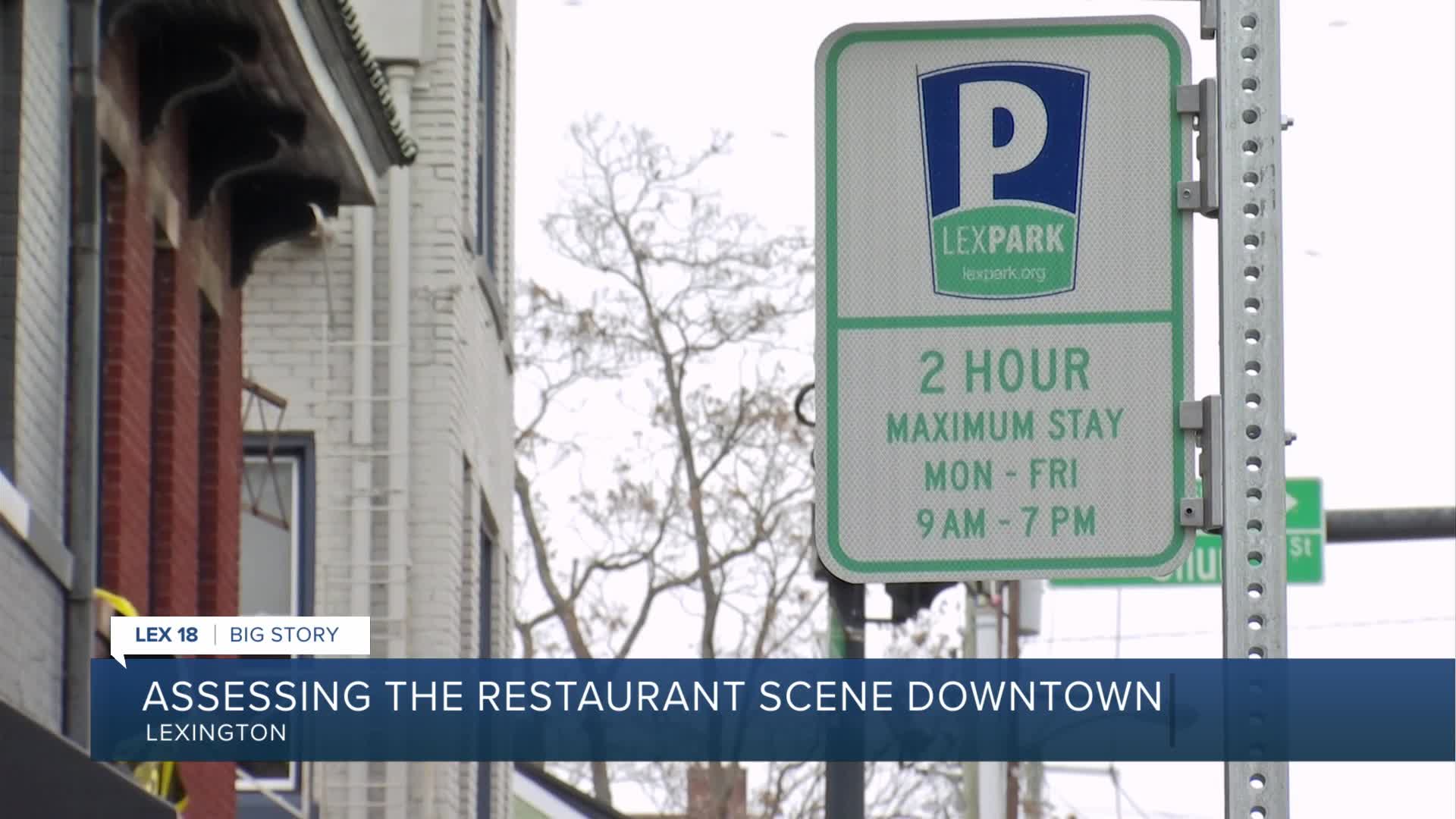
"They have like a two-hour limit on parking, so if you're out to dinner downtown having a good time, you get slapped with a $25 ticket that you were not expecting," Paulding said.
Addressing these challenges will require coordinated efforts and potentially new funding mechanisms, according to Goins.
"We've got to find funding to help bridge these gaps or some kind of solution to make this pathway easier for these chefs," Goins said.
Zim's Cafe and The Thirsty Fox, operated by Chef Ouita Michel and her husband Chris, have been downtown fixtures since opening in 2018. Their closure reflects broader industry trends affecting restaurant sustainability.
According to the National Restaurant Association, approximately 17% of new restaurants close within their first year, while about 30% shut down by year three. The most common reasons for restaurant failure include financial mismanagement such as poor cash flow, lack of marketing, operational issues like high food and labor costs, concept problems, and owner burnout and adaptability challenges.
The potential loss of locally-owned establishments concerns advocates who want to preserve downtown's unique character.
"We certainly don't want a downtown that's just filled with corporate restaurants and hotels," Goins said.
