



LEXINGTON, Ky. (LEX 18) — May is Stroke Awareness Month, and the American Heart Association is urging the public to learn the warning signs of stroke and take steps to reduce personal risk factors.
Strokes are the fourth leading cause of death in the United States. According to the American Heart Association's 2026 Heart Disease and Stroke Statistical Update, 800,000 people experience a stroke each year.
Dr. Murali Kolikonda, a vascular neurologist at Baptist Health in Lexington, said stroke carries consequences beyond death.
"A leading cause of disability as well," he said.
For Kolikonda, his focus is on keeping people from reaching the point of needing treatment in the first place.
"So that people are not having strokes, so it's not about treatment of stroke, it's about prevention of the stroke," he said.
The American Heart Association promotes the acronym BE FAST as a tool for recognizing stroke symptoms. According to Kolikonda, awareness of the acronym still has room to grow.
"I would say it's still in a primitive phase where people are still not aware of it," Kolikonda said. "I think we should still go deeper and educate about stroke signs and symptoms."
BE FAST stands for:
- B — Balance Loss
- E — Eye Changes
- F — Face Drooping
- A — Arm Weakness
- S — Speech Difficulty
- T — Time to Call 911
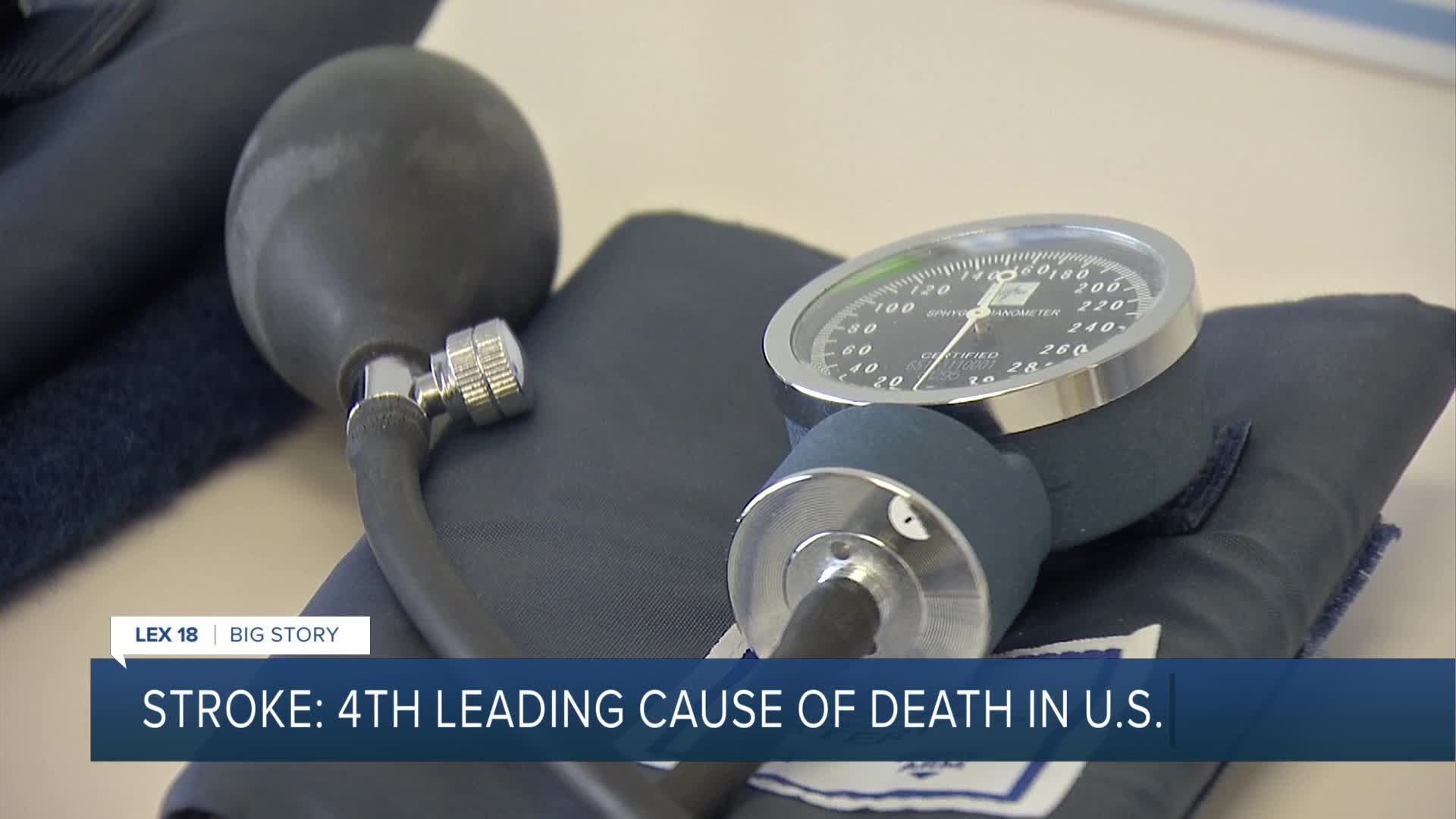
If anyone shows any of these signs, calling 911 immediately is critical. Kolikonda also highlighted hypertension as a major personal risk factor for stroke.
"If we have high blood pressure, you are more likely to have a stroke if it is uncontrolled," he said.
He said many people do not know they have high blood pressure until it is too late.
"It is called a silent killer," Kolikonda said. "Most of the people don't even know that they have high blood pressure until they have a stroke or a heart attack."
One initiative Kolikonda wants to develop is a strong partnership with schools regarding stroke awareness.
"The education should happen at an earlier age and as a part of curriculum. It is important to educate these kids who are middle school and high school about stroke signs and symptoms. Most of the times they could be a bystander, they could be witnessing someone is having a stroke. It is very important for them to understand the signs and symptoms," Kolikonda added.
Kolikonda is also an advocate for rural health and supports the American Heart Association's Libraries with Heart initiative, which provides free blood pressure monitoring kits through public libraries. Find information here: Heart.org/kentucky
