



(LEX 18) — School's out and snow is on the ground, which means your little ones might want to play outside. But before you bundle them up, it's good to know the dangers of hypothermia and frostbite.
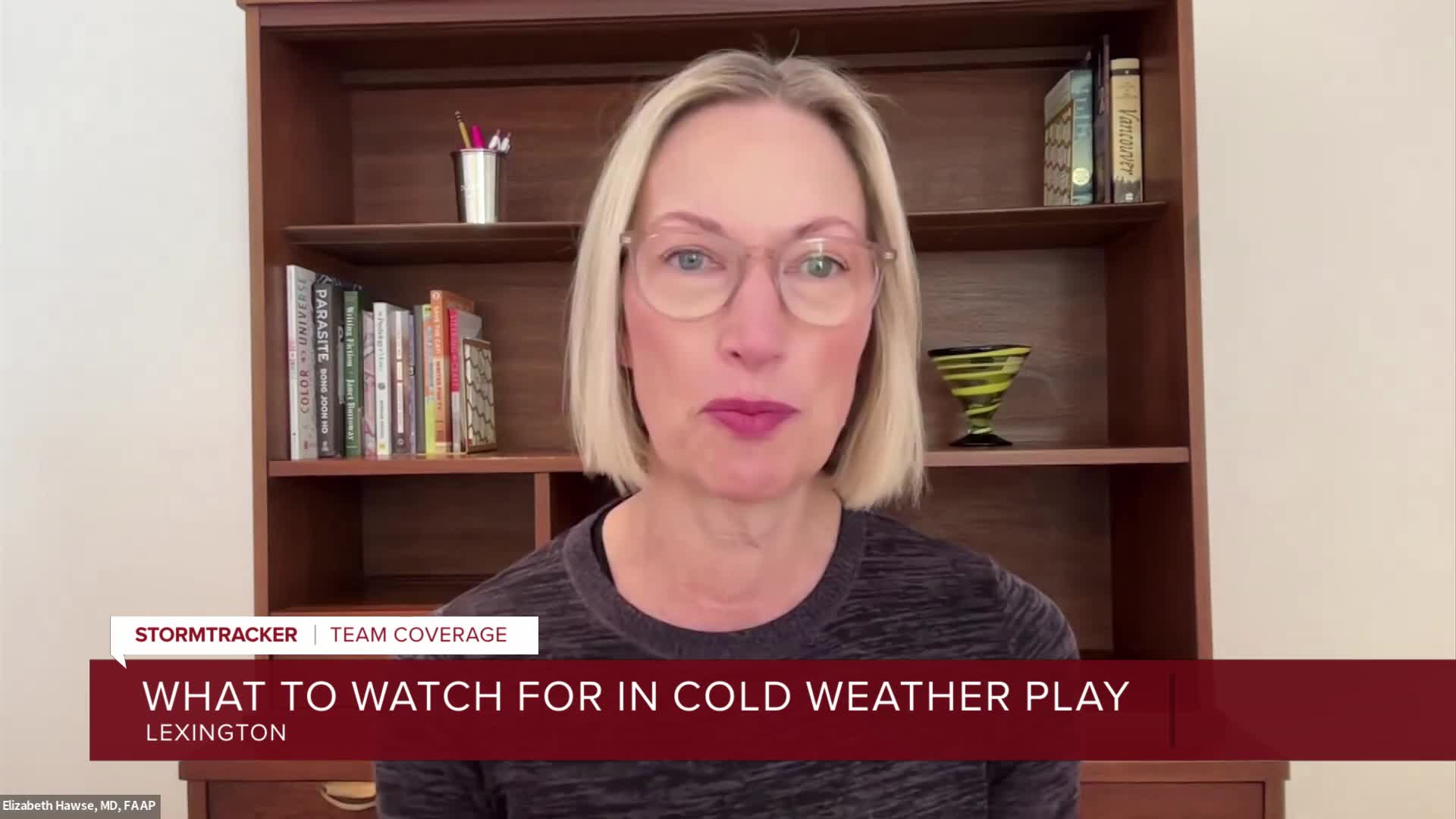
LEX 18 spoke with a local pediatrician who shared some of the warning signs to look out for.
What's a snow day without some sledding? Some families took to the slopes today at Shriner's Hill.
"School's canceled, and it's snowing, more so on the ground than usual. We thought it'd be a nice way to break up the day. I'm not sure how long it'll last, it's pretty cold," Toni Cannon said while sledding with her family.
Alex, a young sledding enthusiast, confidently rated his skills: "I'm pretty good."
Cannon came prepared for the cold weather conditions.
"Lots and lots of layers, short periods of time, we'll probably go in for hot chocolate shortly," Cannon said.
While feeling cold is expected on snowy adventures, it's important to know the warning signs of something more serious.
"Symptoms of hypothermia can be shivering, confusion, slurring words, clumsiness, or their skin may actually feel cold. If that happens, where they're having what we call mental status changes, if they're not acting like themselves, that's an emergent situation," Dr. Elizabeth Hawse of Commonwealth Pediatrics said.
She recommends paying close attention to your child's behavior while they're outside, taking frequent breaks, and being aware of frostbite, which can look like pale, grey, or blistered extremities, such as fingers, noses, and ears.
"Warm them in tepid water. Usually the temperature of a hot tub, above 104 degrees. You can submerge those extremities into the water, but what you don't want to do is rub. You don't want to damage that tissue. And if it's not warming quickly, you need to call your pediatrician," Dr. Hawse said.
For little ones, she recommends dressing them in one more layer than you would yourself.
"It's going to be more than anything close observation and just common sense. If it's too cold for you, it's too cold for them. And realizing they are more susceptible to it than you are," Dr. Hawse said.
