



LEXINGTON, Ky. (LEX NEWS) — Students and faculty alike are getting to know "man's best friend" better at Transylvania University's brand new Center for Animal Behavior, Cognition, and Well-Being.
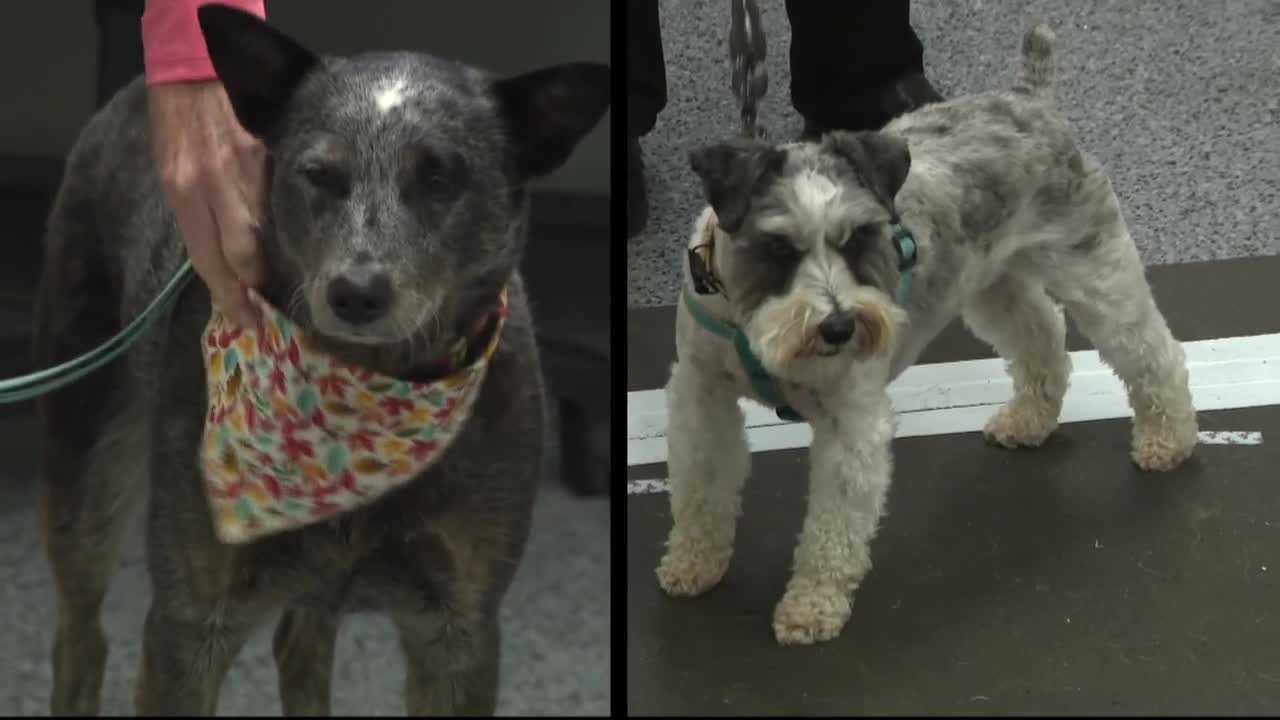
Inside the center's dog lab, two dogs named Bailey and Hal are participating in trials at Transylvania's Dog Behavior and Cognition Lab — research that benefits dogs and humans alike.
"We're really interested in all things about the ways dogs think so that we can help make sure that they are living their best lives. So we, we put into practice all that we learn about, about the way that they think in order to help benefit their welfare," Prof. Ellen Furlong said.
While the center is new, the lab was started two years ago by two professors of psychology and neuroscience: Transylvania professor Ellen Furlong and Berea College professor Rebecca Singer.
"Studying dogs is a puzzle. It is a way to learn how to be adaptive because what you have planned might not be anything like what the dog wants to do," Furlong said.
The lab draws dog participation from the community. Between the two schools, more than 50 students have taken part in trials that have studied more than 800 dogs' behaviors, particularly related to choices.
"We give them lots of cognitive tasks and puzzles to solve, um, and so when dogs come into the lab, they think it's the best time ever. They get to play games and eat treats. The people are with them the whole time, so they're never, you know, upset or afraid and it's all kinds of fun. So you can tell the dogs on campus who have been to the lab before because they're all trying to get into the building where the lab is they have a really great time," Furlong said.
But it's not just the dogs that benefit from the study — people do as well.
"Confidence is something that I see in our students as they progress to the lab. They start out as observers and, and workers, and then we see them grow into questioners and then into full blown scholars," Prof. Rebecca Singer said.
Furlong and Singer say the skills learned in the lab can go far in the real world.
"You're learning skills that don't just apply to working with animals ... the skills that they learn would apply to working with children, working with adults, working in any psychology field, the, the rigor of this lab prepares them for any rigorous position that they're going to get later," Singer said.
If you'd like your dog to participate, you can sign up here: https://bit.ly/4zlmPCN
 Facebook
 TikTok
 YouTube
 Instagram
 Threads
 X
This story was initially reported by a journalist and has been converted to this platform with the assistance of AI. Our editorial team verifies all reporting on all platforms for fairness and accuracy.
