

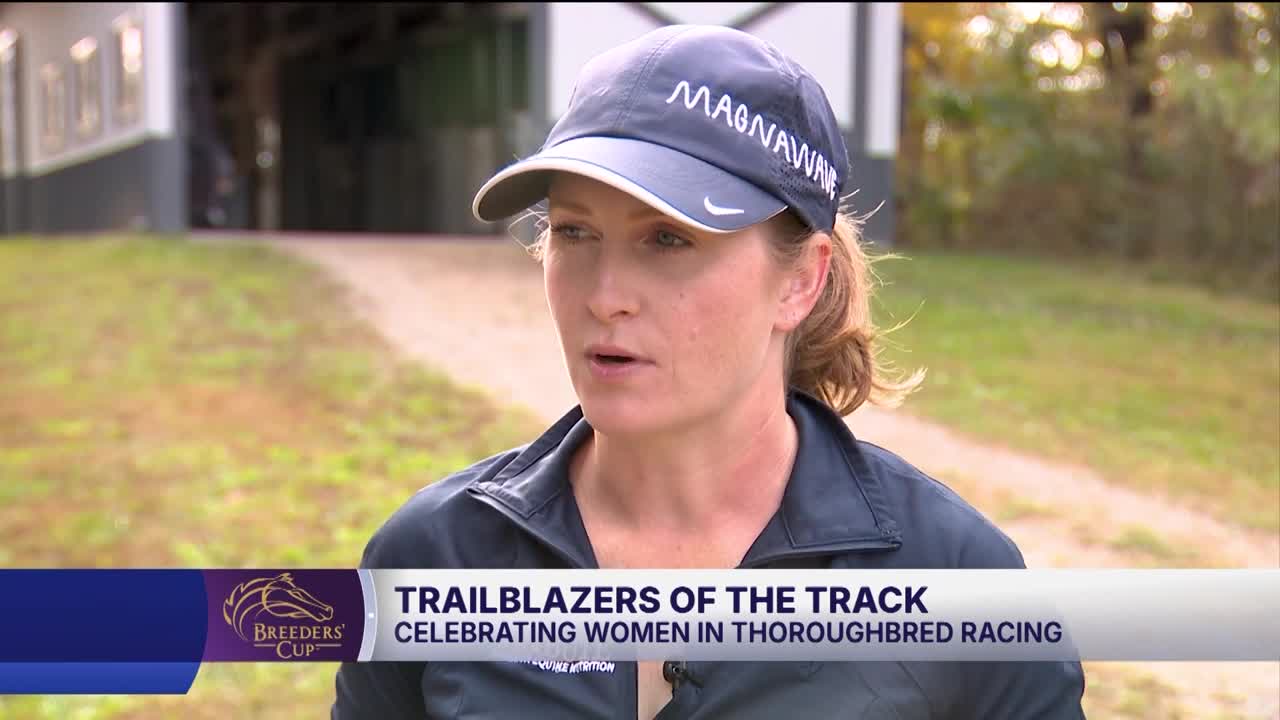


LEX NEWS — Rosie Napravnik and Jena Antonucci have left their mark on Thoroughbred racing, breaking barriers and inspiring future generations along the way. But neither set out to make history because of her gender.
For Napravnik, the dream of becoming a jockey began at a young age, with ambitions that went far beyond the records she would eventually set.
"When I was a kid and I was dreaming of becoming a jockey, the goals that I did set were being the youngest person to win the Triple Crown," Napravnik said.
While that childhood dream never became reality, her career was historic in its own right.
In 2012, Napravnik became the first female jockey to win the Kentucky Oaks, a feat she repeated in 2014. She also earned two Breeders' Cup victories and recorded the best finish by a female jockey in Kentucky Derby history, placing fifth aboard Mylute in 2013.
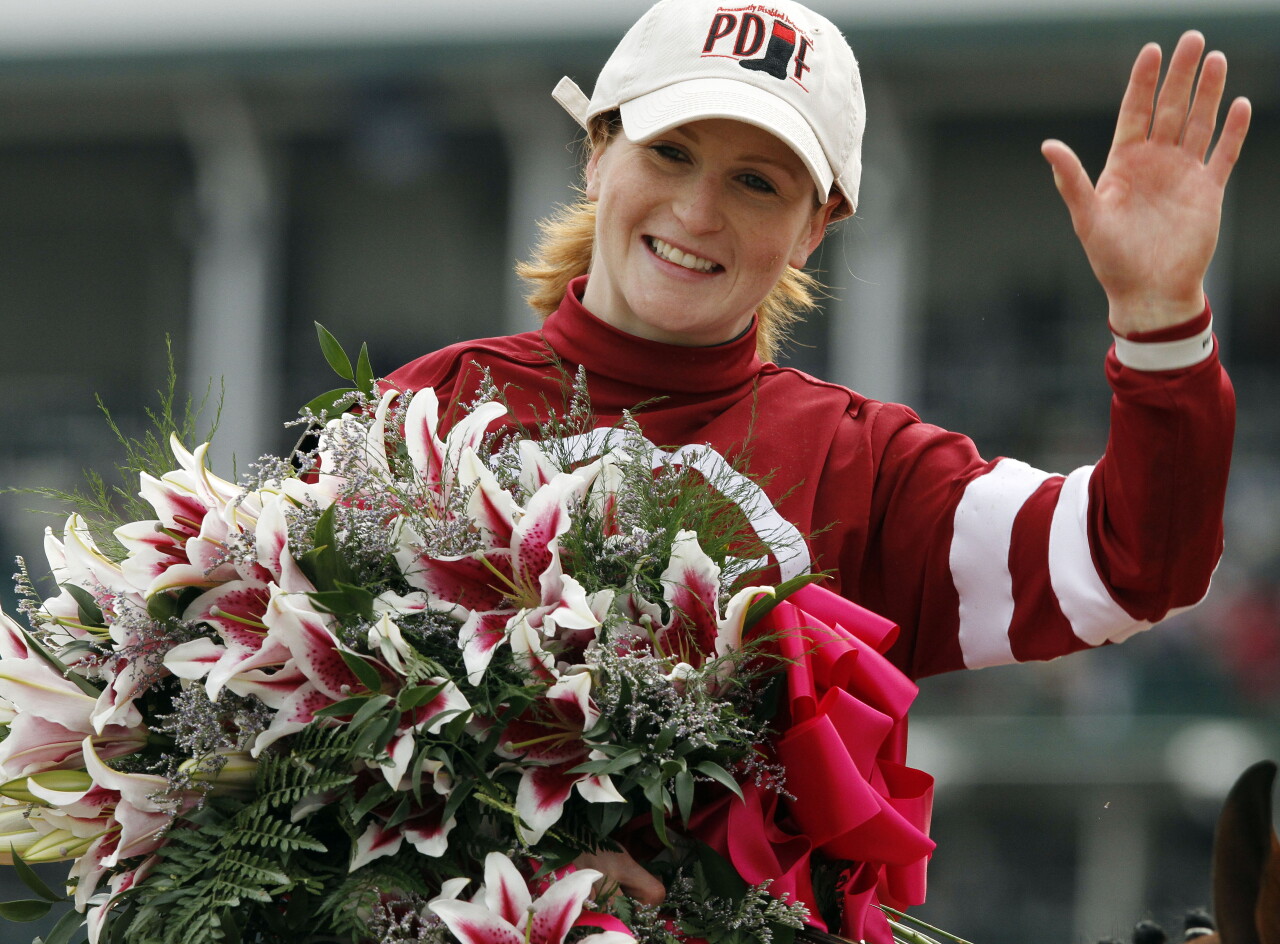
But Napravnik said those accomplishments meant more to her as personal milestones than as records for women in the sport.
"I think that I sort of resisted celebrating some of those things because I didn't want to be identified just for what I've done as a female," she said.
After retiring from racing in 2014, Napravnik continued her work with Thoroughbreds, establishing a program focused on retraining former racehorses for second careers in equestrian sports. She remains an advocate for Thoroughbred aftercare, helping horses transition to life beyond the racetrack.
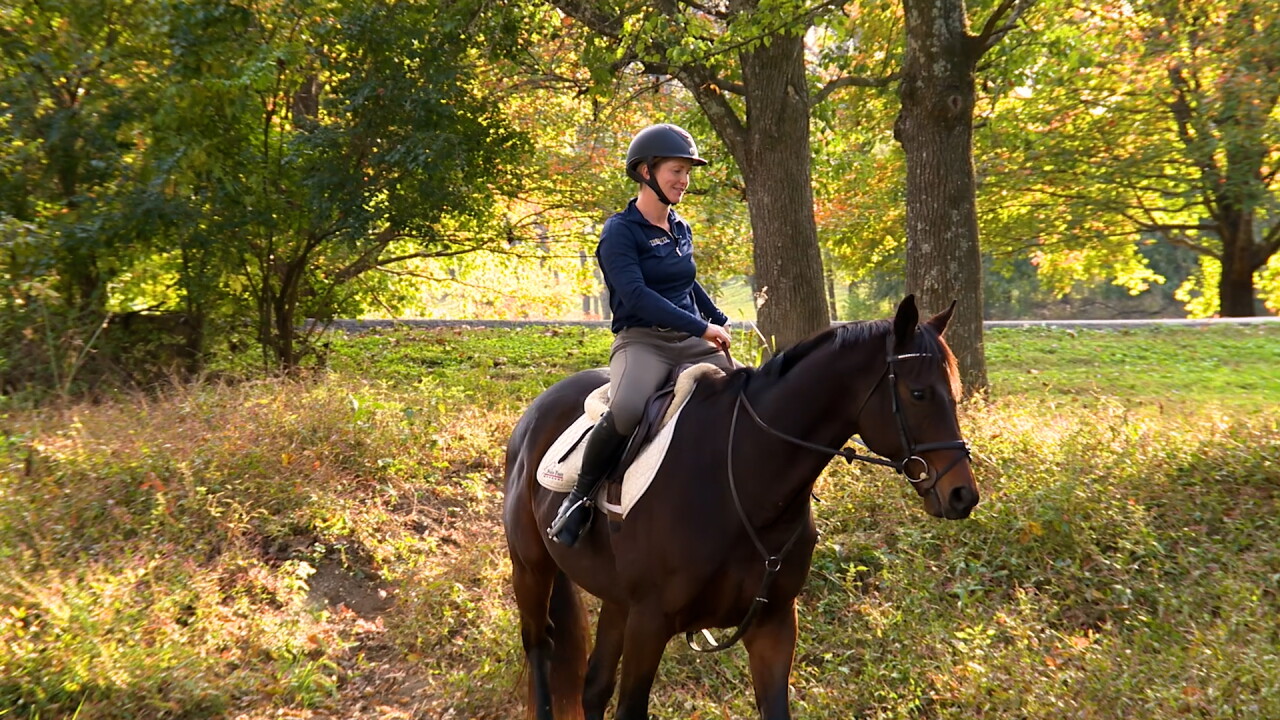
For Antonucci, the journey into racing took a different path.
Introduced to Thoroughbreds through her grandparents, she developed a passion for working with and retraining horses before eventually pursuing a career as a trainer.
In 2023, Antonucci became the first woman to train the winner of a Triple Crown race when Arcangelo captured the Belmont Stakes. The pair followed that historic performance with a victory in the Travers Stakes later that summer.
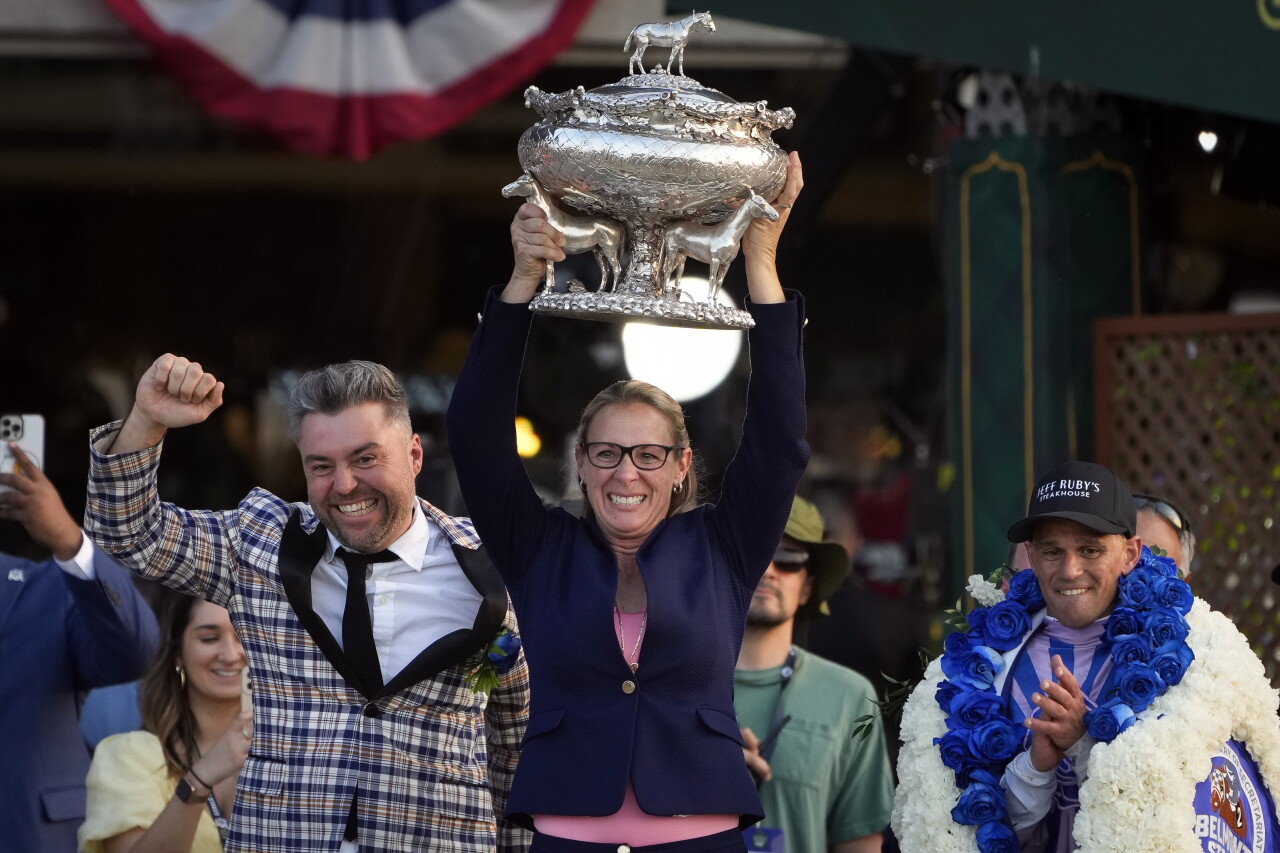
Despite the significance of the milestone, Antonucci said her focus was always on the horse and the competition.
"Everyone really wanted to frame it up and really fixate on the female aspect of winning that race," Antonucci said. "And for me, I'm a mad competitor. I grew up an athlete. I was always competing, and so for me it was more validating for the horse."
While both horsewomen initially resisted being defined by their gender, they have come to appreciate the broader impact of their achievements.
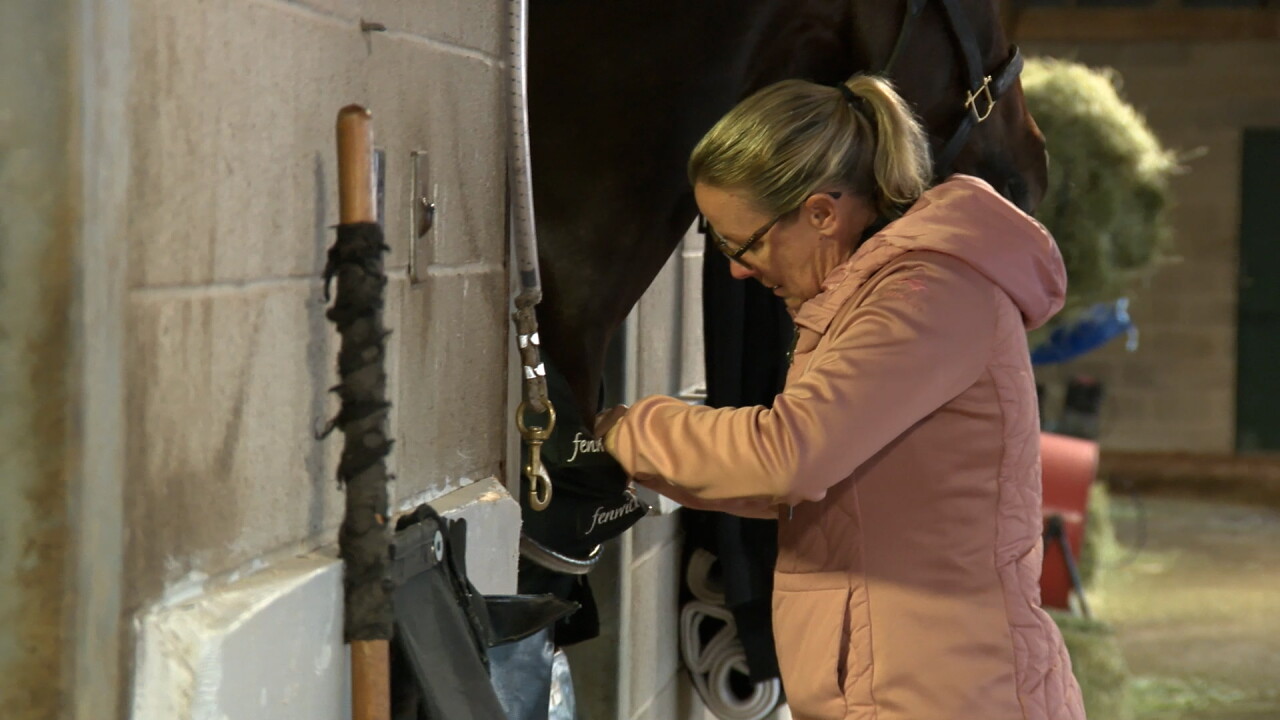
"I was sort of pressured toward the role of becoming a role model for other women and girls," Napravnik said. "And then I did start to really embrace that and feel, you know, well, if no matter what I feel, if I'm inspiring somebody else, I love that."
For Antonucci, the message extends beyond women in racing. She hopes the sport continues to recognize talent, dedication and opportunity regardless of gender.
"I think the sport needs to continue to lift each other up," Antonucci said. "Again, no matter what the gender is, there's room for everybody."
Their accomplishments may have earned them a place in horse racing history, but their lasting impact goes beyond the records they set, opening doors and inspiring others to pursue their own dreams in the sport.
