



LEXINGTON, Ky. (LEX NEWS) — Artificial intelligence remains one of the most debated technologies today. While some embrace it, others remain skeptical.
Now, the University of Kentucky is testing whether AI-powered facial scanning can make building access easier and more secure.
Like many college campuses, UK students typically use ID badges or credentials on their phones to enter residence halls and other buildings. The new technology aims to allow authorized users to enter hands-free.
"I don't know. I'd have to see it, how it works," one student said.
The University of Kentucky Police Department is among the locations testing the technology, using it to secure its evidence room.
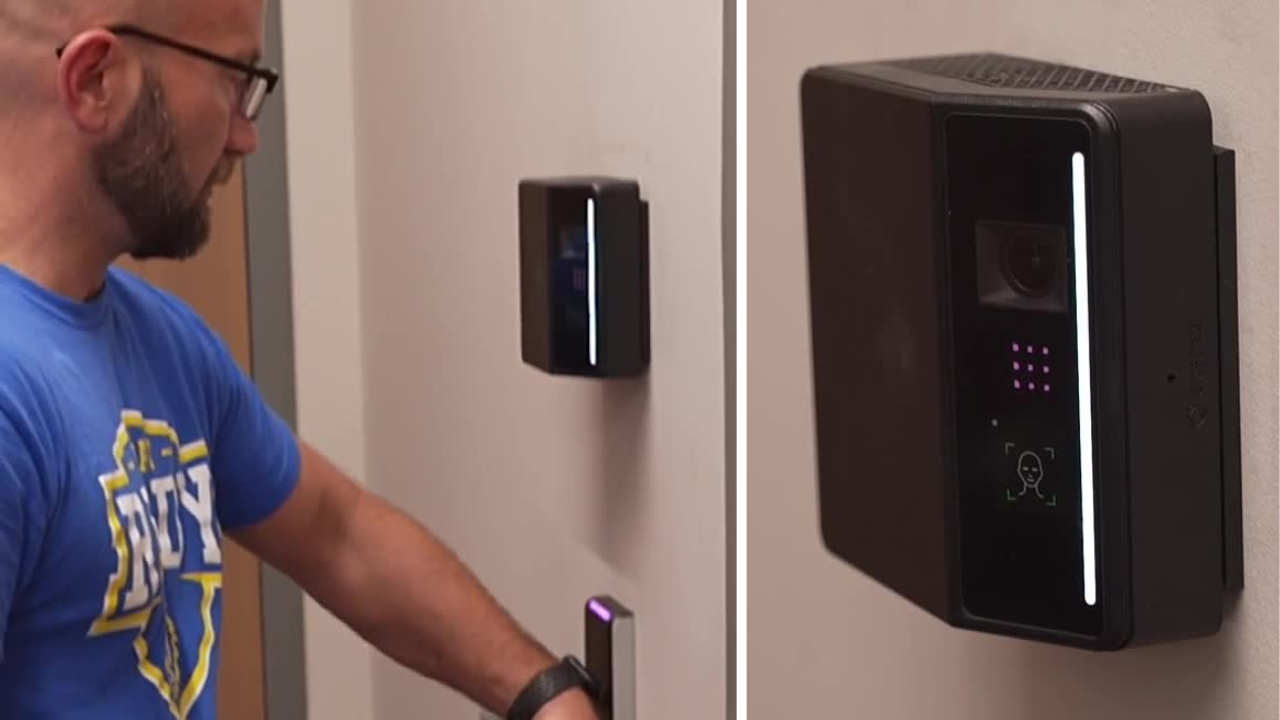
Deputy Chief Nathan Brown demonstrated the system, which requires both a credential and a facial scan before granting access.
"So it only works with a credential and a face," Brown said. "This is dual authentication because this is a very obvious restricted room."
A wall-mounted optical scanner analyzes a person's face before allowing entry. But UK Police Chief Joe Monroe said the technology does not store photographs.
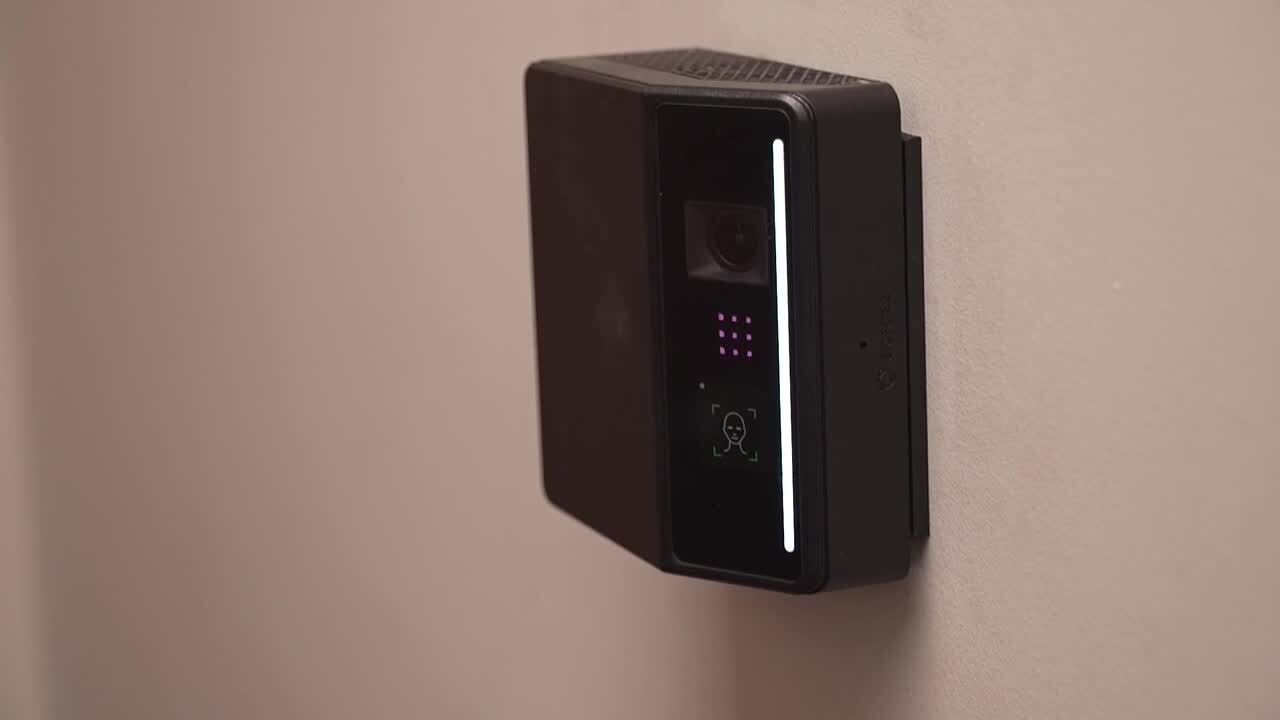
"What it does, it looks at your face, and it assigns different points using geometry, facial geometry," Monroe said. "They call it facial vectors. Once that number is assigned, that is who you are. There's no pictures stored."
Monroe said participation in the pilot is voluntary. Students, staff and visitors must opt in if they want to use the system. For now, only a handful of campus buildings and residence halls are experimenting with the technology, which is made by a company called Alcatraz.
"May not be the best name for the product, and we've pointed that out," Monroe replied.
Still, the use of facial AI raises questions about privacy, data security, and whether the technology could eventually expand beyond voluntary participation.
University of Kentucky law professor Michael Murray said the technology offers advantages but also carries risks.
"AI offers a lot of benefits, but it's not cost-free, and it's not risk-free," Murray said. "That's the bottom line."
Murray said he believes the university is taking a cautious approach by limiting participation and keeping the program voluntary.
"It seems like they're taking it quite seriously ... to roll it out with a very low threshold of risk," Murray said. "They are making most of the access voluntary as a convenience."
For now, the technology remains a pilot project, but one that is certain to generate discussion as colleges and universities continue exploring new uses for artificial intelligence.
Email the LEX18 Newsroom if you have info, photos or videos to share.
 Facebook
  TikTok
  YouTube
 Instagram
 Threads
 X
XThis story was initially reported by a journalist and has been converted to this platform with the assistance of AI. Our editorial team verifies all reporting on all platforms for fairness and accuracy.
